Chinese President visit

Prime Minister Muhammad Nawaz Sharif hand shake with Chinese President.

Democracy WINS - Pakistan WINS!

Wall street Journal news about democratic Pakistan

PCEC map

This is the original and only map of PCEC.

Mass Transit Bus Projects

Rawalpindi Metro Project

PM meets King Salman

Pakitan stands beside Saudia for its soverignity

Reduction in fares of public transport

Toll free helpline for compaints

Parliament Gallery

Group Photo| Speaker NA Sardar Ayaz Sadiq with Dr. Cyrill Nunn, Ambassador of Germany and Members of Pakistan-Germany Parliamentary Friendship Group

News reel

Followers

Showing posts with label Anti Corruption. Show all posts

Wednesday, May 20, 2015

Railway decay seems reversing

 Railway decay seems reversing

 NASEER AHMAD
KARACHI: “If you find a train arriving late, set your watch right,” remarked a smart young porter hurrying down the platform overloaded with several pieces of a passenger’s luggage. “Trains don’t arrive late these days!”
I recently set off from Rawalpindi by Tezgam for Karachi. Exactly at 8.30am it whistled and after a few seconds a second whistle blew and the train began to chug. A relative texted me the train’s travel timetable. All along I checked it with the train’s arrival at the various stations, and everywhere it was ahead of schedule. I got suspicious of the genuineness of the timetable. At Multan I asked a vendor how long the train would stop over there. “It will be here for half an hour, sir. Don’t worry,” he said and added with a justified sense of elation: “It arrived here ahead of time by 15 minutes.”
When the train pulled in at Karachi’s Landhi station, it was around an hour earlier.
Trains arrival and departure has always been a serious issue. Throughout the several decades a train arriving on time was an anomaly. If a train arrived within a few hours of its due time, people were content with it. The perennial delay was blamed on the driver’s greed for overtime which he purportedly earned at the cost of the passengers’ precious time. That could be true or may not be so, but train delays had been a common phenomenon in the past. But following the assassination of Benazir Bhutto in December 2007, the destruction of numerous train bogies and locomotives made the railways go haywire. It never recovered from that unfortunate episode till the last government lasted. Former railway minister Haji Ghulam Ahmed Bilour himself was so pessimistic about the railways’ future that he declared that the system was doomed and he could not help revive it.
Critics started alleging that since the minister had his own transport business, he was deliberately trying to ruin the railways.
Anyway, trains were late, sometimes by days not just hours. In one such unfortunate episode a train reached from Karachi to Rawalpindi in almost a week instead of the 26-hour journey. People waiting at railway stations were often told that the train was on its way from the other end, it would arrive here after so many hours delay, then it would be rolled to the washing yard before it arrived on the platform to pick passengers. The causes mentioned for the inordinate delays were various, from fuel shortages to engine breakdowns and non-availability of spare locomotives. This forced many regular passengers to opt for other modes of travel, particularly buses, which have since flourished, offering fantastic facilities and luxuries –– free cold drinks and snacks presented by women attendants, working air conditioning, films etc. But that trend appears to be reversing now with trains getting back on the track.
The prime minister’s inauguration of a new train, called Greenline train, on Friday may be proof of it. Railway officials claim that the train is not only centrally air-conditioned, it offers “WiFi connection throughout the route, three-time quality meal, tea, mineral water, newspaper and standard bedding” to the passengers during the travel between Islamabad and Karachi.
Timing is not the only area where the trains have shown some improvement. Water supply and sanitation have also markedly become better than before. The trains are swept at least once during the journey.
During the last few months the steadily rising fares seems to have been reversed. For instance, earlier an AC sleeper ticket between Karachi and Rawalpindi cost Rs6,300; now it is for Rs4,700. Similarly, at the station, coolies roam about offering their services to whoever wants them. Their role has changed considerably from that of an agent of corrupt officials who sold tickets in black market through these men in red shirts and white shalwars. Now they only help passengers with their luggage and comfortably lodge them in their already reserved seats. Black-marketing of tickets is uncommon now. Even the porters are supposed to charge official rates for carrying luggage pieces, though most passengers are unaware of or do not care much about it and just bargain with them.
The trains are comfortable with mostly having bogies imported from China, punctual and in some cases luxury too. Yes, what is called AC sleeper has various compartments for four, three and even two passengers.
Most people credit the present government for the turnaround. “Minister Saad Rafiq really deserves commendation for this improvement,” said Iftikhar Hussain, an employee of the Sui gas company, who says he cannot afford to travel by air and cannot sit for long hours in a bus either.
“Credit for this goes to the PTI. If it were not for Imran Khan’s sit-ins, this government wouldn’t have done anything for the public during its first four years,” said Mohammad Tufail, a PTI supporter.
Whether the credit goes to Minister Saad Rafique, the PTI’s dharnas or the changed internal and external circumstances, China’s assistance, passengers don’t care. They want a dependable, comfortable and affordable mode of travel and they seem to be getting it. With Greenline train on the tracks, I’m looking forward to enjoying a trip to the capital and back with the promised cool VIP treatment on it.
The government’s enthusiasm shows that the privitisation process set in motion with Business Train and Shalimar Express is not in favour of the people. Privatisation is just adding to their woes with higher fares. And they have no economy class, only which most Pakistanis can afford.
Published in Dawn, May 19th, 2015


Wednesday, December 3, 2014

پاکستان | کرپشن کی شرح میں کمی

پاکستان 20 سال بعد کرپشن کی شرح میں کمی کے بعد 126ویں نمبر پر آگیا، ٹرانسپیرنسی انٹرنیشنل


برلن / کراچی: دنیا بھر کے ممالک میں کرپشن کی شرح کا جائرہ لینے والے عالمی ادارے ٹرانسپیرنسی انٹرن نیشنل کے کرپشن پرسپشن انڈیکس کے مطابق پاکستان میں کرپشن کی شرح میں کمی واقع ہوئی ہے۔
ٹرانسپیرنسی انٹرن نیشنل کے کرپشن پرسپشن انڈیکس کے 20ویں ایڈیشن کے مطابق پاکستان اس بار 29 پوائنٹس حاصل کر کے دنیا بھر کے 175ممالک میں سے 126 ویں نمبر پر آگیا ہے جو اس کی 1995 شروع ہونے والی سی پی آئی کے بعد سے سب سے بہتر کارکردگی ہے۔ چیئرمین ٹرانسپیرینسی انٹرنیشنل پاکستان سہیل مظفر نے کہا ہے کہ امید ہے اب حکومت کرپشن کے خاتمے کے لئے نئے جوش و جذبہ سے کام کرے گی۔ کرپشن پرسپشن انڈیکس 2014 میں 175 ممالک میں سے دو تہائی نے 50 سے کم سکور کیا ہے۔ ڈنمارک 92 پوائنٹس کے ساتھ پہلے جب کہ شمالی کوریا اور صومالیہ 8،8 پوائنٹس کے ساتھ آخری نمبر پر ہیں۔
سی پی آئی میں چین کو 36، ترکی کو 45 اور انگولا کو 19 پوائنٹس ملے ہیں۔ ترکی کے اسکور میں گزشتہ سال کی نسبت 5، چین، ملاوی، انگولا اور روانڈا کے سکور میں 4، 4 پوائنٹس کی کمی آئی۔ آئیوری کوسٹ، مصر، سینٹ وینسٹ اور گرینیڈائنز کے سکور میں 5، 5، افغانستان، اردن، مالی اور سوازی لینڈ کے سکور میں 4، 4 پوائنٹس کا اضافہ ہوا۔ بھارت کا سکور 38، روس کا 27، برازیل کا 43، موریشئس کا 54 اور قبرص کا 63 ہے۔
انڈیکس میں پوائنٹس شفافیت کو ظاہر کرتے ہیں۔ جس ملک نے جتنے زیادہ پوائنٹس حاصل کئے وہ اتنا ہی کرپشن سے پاک ہے۔ انسداد کرپشن گروپ ٹرانسپرینسی انٹرنیشنل نے کہا ہے کہ کرپشن تمام معیشتوں کےلئے بہت بڑا مسئلہ ہے، یورپی یونین اور امریکہ کو چاہیے کہ وہ تیزی سے نشوونما پانے والی معیشتوں کے ساتھ مل کر کرپشن کی روک تھام کئ لئے کام کریں، بڑی معیشتوں میں کرپشن بنیادی انسانی حقوق کا راستہ روکتی ہے اور گورننس کے مسائل بھی پیدا کرتی ہے۔
چیئر آف ٹرانسپیرینسی انٹرنیشنل جوزے اگاز کے مطابق سی پی آئی 2014 سے معلوم ہوتا ہے کہ جب رہنما اور اعلیٰ عہدیدار عوامی پیسے کا اپنے ذاتی مقاصد کیلئے غلط استعمال کرتے ہیں تو معاشی نشوونما متاثر ہوتی ہے اور کرپشن روکنے کی کوششیں بھی سودمند ثابت نہیں ہوتی۔ بدعنوان حکام غیرقانونی طریقے سے کمائی ہوئی دولت بیرون ملک بھجوانے کے لئے بیرون ملک کمپنیوں کو استعمال کرتے ہیں، عوامی حقوق کے تحفظ کیلئے کرپشن کے خلاف انقلابی اقدامات کرنا چاہئیں۔ چین کا سکور 40 سے گر کر 36 ہوگیا حالانکہ چین نے انسداد بدعنوانی مہم بھی شروع کر رکھی ہے، ضرورت اس امر کی ہے کہ حکومت بیرون ملک اثاثے چھپانے والے حکام کا پیچھا کرے۔ جنوری میں لیک ہونے والی دستاویزات کے مطابق چین اور ہانگ کانگ کے بیرون ملک 22 ہزار کلائنٹس ہیں۔ چین کا سکور چینی کمپنیوں کی ناقص کارکردگی پر ٹرانسپیرینسی انٹرنیشنل کی کارپوریٹ ڈسکلوزر پریکٹسز کی رپورٹ کی بھی تصدیق کرتی ہے جس میں چین کی تمام 8 کمپنیز نے 10 میں سے 3 پوائنٹس لیے۔ کرپشن اور منی لانڈرنگ برکس کے دیگر ممالک کیلئے بھی ایک مسئلہ ہے۔
رواں برس ایک بڑی آئل کمپنی کی برازیل میں سیاستدانوں کو رشوت دینے کیلیے خفیہ کمپنیاں بنانے کے حوالے سے بھی سوالات اٹھائے گئے ہیں۔ بھارت کی جانب سے رشوت کیلئے موریشئس، روس کی جانب سے قبرص میں بینک اکاؤنٹس کے حوالے سے بھی سوالات اٹھائے گئے ہیں۔ انڈیکس کے ٹاپ پر معیشتوں کو منی لانڈرنگ اور کرپشن کیلئے خفیہ کمپنیاں بننے سے روک کر بدعنوانی کی روک تھام میں کردار ادا کرنا چاہیے۔ پہلی پوزیشن پر آنیوالے ڈنمارک میں قانون کی حکمرانی ہے اور حکام کے حوالے سے واضح اصول ہیں، ڈنمارک نے رواں برس نومبر میں کمپنیوں کی ملکیت کی معلومات کے حوالے سے پبلک رجسٹر بناکر ایک مثال قائم کی ہے۔ ایسے ہی اقدامات کا ہی برطانیہ اور یوکرین میں بھی اعلان کیا گیا۔ ٹرانسپیرینسی انٹرنیشنل کے ایم ڈی کوبس ڈی سوارٹس کے مطابق کمپنیوں کی ملکیت کے حوالے سے معلومات کرپشن کی روک تھام میں اہم ہوسکتی ہے۔


Tuesday, December 3, 2013

#GoodGovernance | Pakistan's Global Ranking Improved

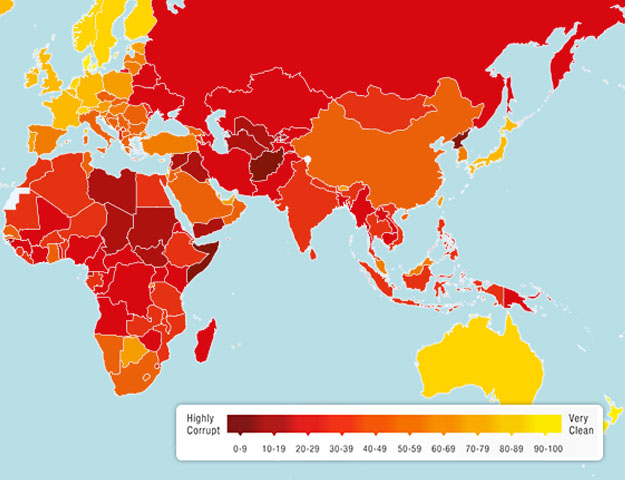
Corruption index: Pakistan's global ranking improves by 12 spots

Published: December 3, 2013
Recent survey by Transparency International reveals Pakistan has become less corrupt in 2013 as compared to 2012. PHOTO: FILE
BERLIN: While the government is regularly accused of corruption, a recent survey by Transparency International revealed on Tuesday that Pakistan is deemed to be less corrupt in 2013 as compared to 2012.
Pakistan has improved its ranking by 12 places in the Corruption Perceptions Index 2013 since last year. The country now has 48 countries behind it in the corruption index against only 35 in 2012.
Pakistan, which was ranked 127 on the scale of 1 – 175 this year, has witnessed irregular decrease in corruption in the last five years. Pakistan was ranked 139 in 2009, 143 in 2010, 134 in 2011 and 139 in 2012.
The study by the graft watchdog declared Afghanistan, North Korea and Somalia as the world’s most corrupt countries while Denmark and New Zealand came out as nearly squeaky-clean.
Corruption 
Worldwide, almost 70 percent of nations are thought to have a “serious problem” with public servants on the take, and none of the 177 countries surveyed this year got a perfect score, said the Berlin-based non-profit group.
Transparency International’s annual list is the most widely used indicator of sleaze in political parties, police, justice systems and civil services, a scourge which undermines development and the fight against poverty.
“Corruption hurts the poor most,” lead researcher Finn Heinrich told AFP.
“That’s what you see when you look at the countries at the bottom. Within those countries, it’s also poor people who get hurt the most. These countries will never get out of the poverty trap if they don’t tackle corruption.”
Highs and lows
Among countries that have slipped the most on the group’s 2013 Corruption Perceptions Index are war-torn Syria as well as Libya and Mali, which have also faced major military conflict in recent years.
“Corruption is very much linked to countries that fall apart, as you see in Libya, Syria, two of the countries that deteriorated the most,” said Heinrich.
“If you look at the bottom of the list, we also have Somalia there. These are not countries where the government is functioning effectively, and people have to take all means in order to get by, to get services, to get food, to survive.”
Heinrich said Afghanistan, where most Nato-led Western forces are pulling out next year after a more than decade long deployment, is “a sobering story. We have not seen tangible improvements”.
“The West has not only invested in security but also in trying to establish the rule of law. But there have been surveys in the last couple of years showing the share of people paying bribes is still one of the highest in the world.”
Also at the bottom of the list is North Korea, “an absolutely closed totalitarian society”, said Heinrich, where defectors report that famine is worsening corruption “because you have to know someone in the party who is corrupt in order to even survive”.
Among the “most improved” countries, although from a low base, was Myanmar, where a former military junta has opened the door to the democratic process and, facing an investment boom, has formally committed to transparency and accountability rules.
“That’s the only way countries can avoid the ‘resource curse’, where the resources are only available to a very small elite,” said Heinrich. “Nigeria and other oil-rich countries are obviously very good examples.”
Huguette Labelle, chair of Transparency, said “all countries still face the threat of corruption at all levels of government, from the issuing of local permits to the enforcement of laws and regulations”.
Method
The group says that because corruption is illegal and secretive, it cannot be meaningfully measured.
Instead Transparency collates expert views on the problem from bodies such as the World Bank, African Development Bank, Economist Intelligence Unit, Bertelsmann Foundation, Freedom House and other groups.
It then ranks countries on a scale of 0-100, where 0 means a country’s public sector is considered highly corrupt and 100 means its is regarded as very clean.
Results
The latest survey “paints a worrying picture”, said Transparency. “While a handful perform well, not one single country gets a perfect score. More than two-thirds score less than 50.”
 
The bottom-ranked countries, scoring 10 to 19, included Iraq, Syria, Libya, Sudan and South Sudan, Chad, Equatorial Guinea, Guinea-Bissau, Haiti, Turkmenistan, Uzbekistan and Yemen.
At the top, between 80 and 89, aside from Denmark and New Zealand, were Luxembourg, Canada, Australia, the Netherlands, Switzerland, Singapore, Norway, Sweden and Finland.
“The top performers clearly reveal how transparency supports accountability and can stop corruption,” said Labelle.
“Still, the better performers face issues like state capture, campaign finance and the oversight of big public contracts which remain major corruption risks.”


Monday, July 22, 2013

News Report

 Anti Corruption campaign in Major Institutes

This news report was published in Nidai Millat dated July 11,2013